The origin of the African Cup dates from June 1956, when the creation of the Confederation of African Football was proposed during the third FIFA congress in Lisbon. There were immediate plans for a continental tournament to be held and, in February 1957, the first African Cup of Nations was held in Khartoum, Sudan.
There was no qualification for this tournament, the field being made up of the four founding nations of CAF (Egypt, Sudan, Ethiopia and South Africa). South Africa’s insistence on selecting only white players for their squad due to its apartheid policy led to its disqualification, and as a consequence Ethiopia were handed a bye straight to the final.
Since then, the tournament has grown greatly, making it necessary to hold a qualifying tournament. The number of participants in the final tournament reached 16 in 1998 (16 teams were to compete in 1996 but Nigeria withdrew, reducing the fields to 15).
The same happened with Togo’s withdrawal in 2010, and until 2017, the format had been unchanged, with the sixteen teams being drawn into four groups of four teams each, with the top two teams advancing to a “knock-out” stage. On 20 July 2017, the Africa Cup of Nations was moved from January to June and expanded from 16 to 24 teams.
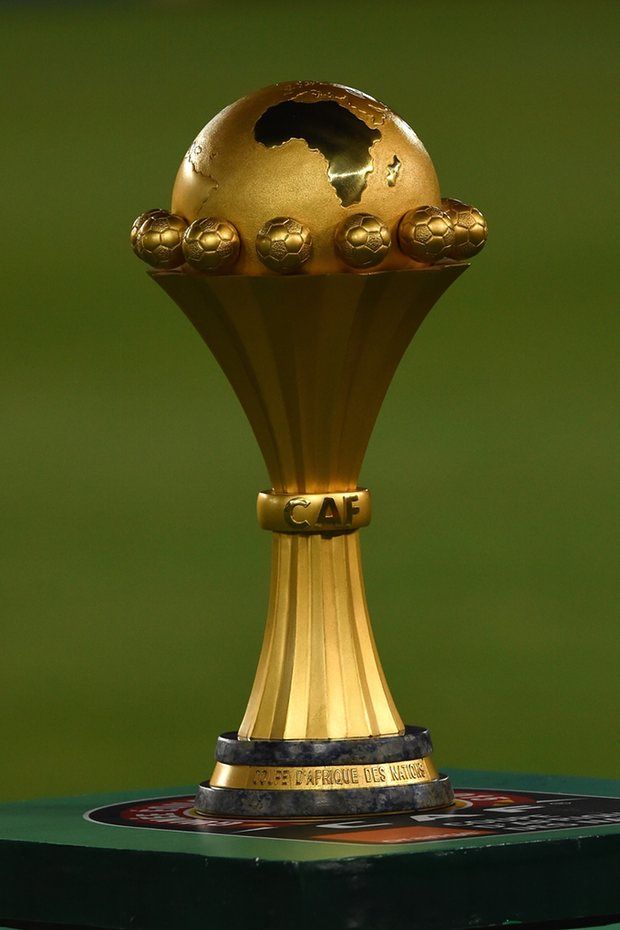
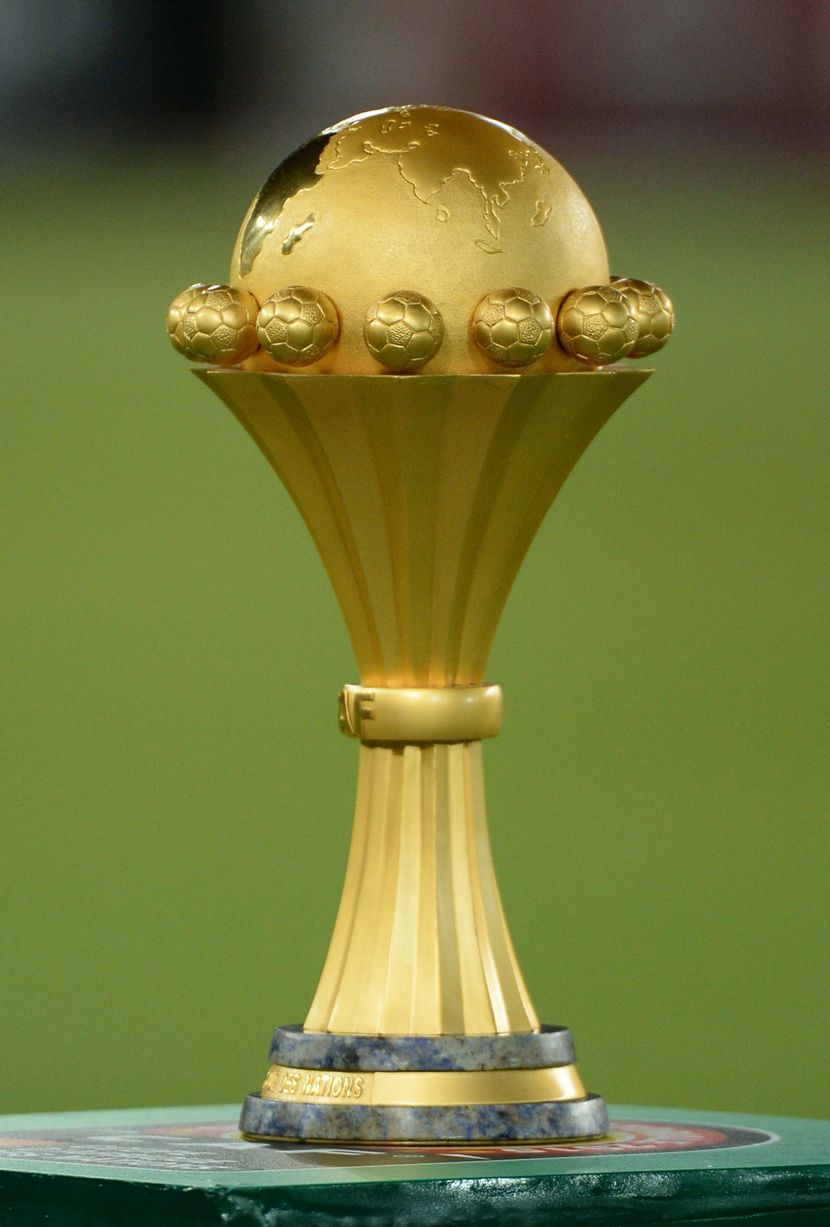
Egypt is the most successful nation in the cup’s history, winning the tournament a record of seven times (including when Egypt was known as the United Arab Republic between 1958 and 1961). Three different trophies have been awarded during the tournament’s history, with Ghana and Cameroon winning the two versions to keep after each of them won a tournament three times.
The current trophy was first awarded in 2002 and with Egypt winning it indefinitely after winning their unprecedented third consecutive title in 2010. As of 2013, the tournament was switched to being held in odd-numbered years so as not to clash with the FIFA World Cup
 Sports arena